
Charging 101
Everything you need to know before choosing an EV charger.
Learn the basics of charging level, outlet type, connector standard and charging routine.
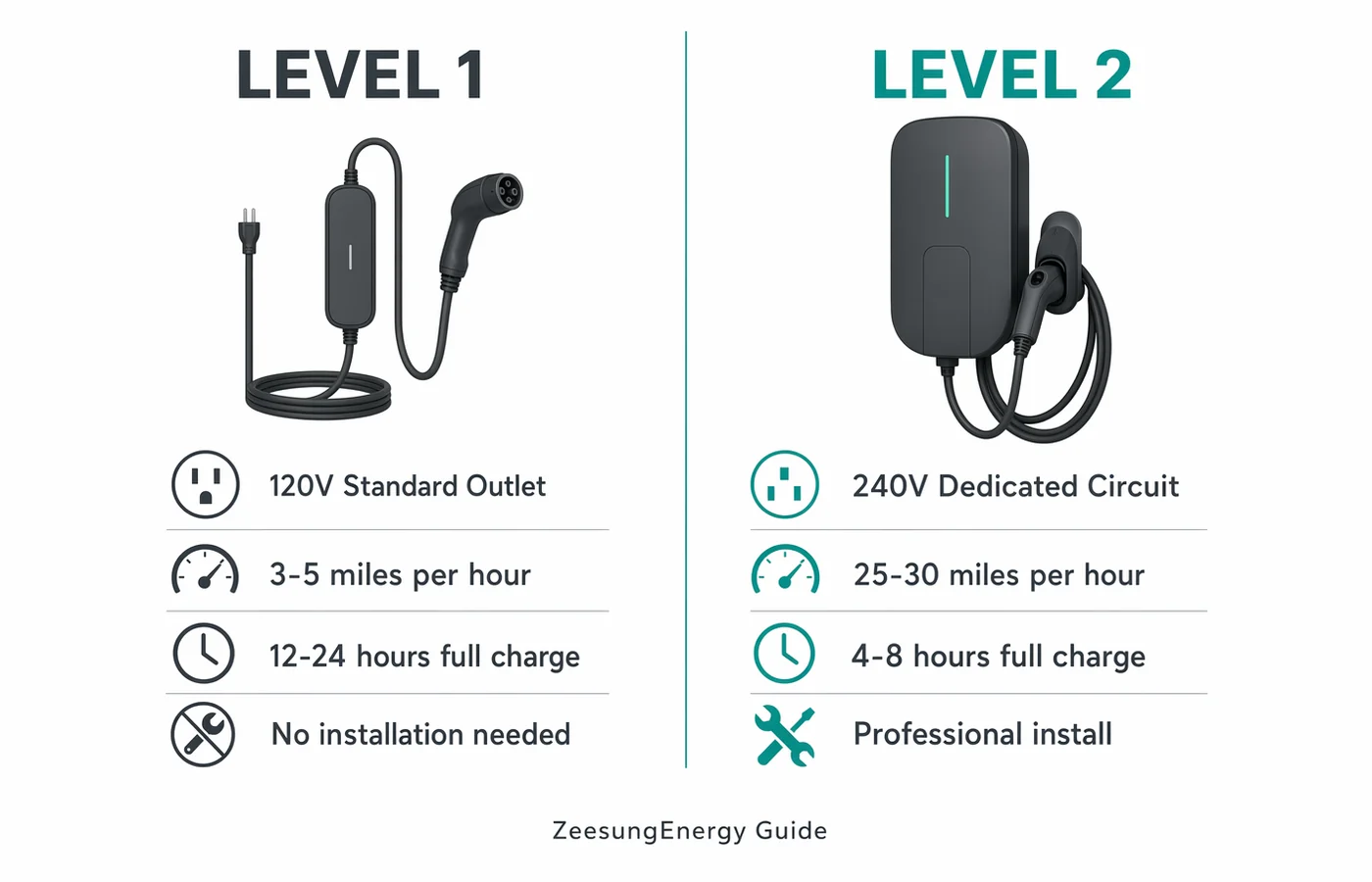
Level 1
Uses a standard 120V outlet and is slower, but can support lower daily mileage.
Level 2
Uses a 240V circuit and can charge faster when the vehicle and electrical setup support it.
Compatibility
Connector, outlet, voltage, amperage and adapter choices must be reviewed together.
Practical charging basics
The four decisions behind most home and portable EV charging purchases.
Level 1 vs Level 2
Level 1 typically uses 120V power and is slower. Level 2 uses a 240V setup and can reduce charging time when the vehicle, charger and circuit support it.
Plug vs connector
The wall-side plug matches the outlet. The vehicle-side connector matches the EV inlet. Both must be correct.
Amps and circuit rating
A higher amp rating does not help if the vehicle or electrical circuit cannot support it. Always stay within rated limits.
Portable vs fixed
A portable EVSE is designed to move between compatible outlets. It should not be presented or used as a fixed installed charger.
Decision guide
A practical route from question to product page.
| If you are new to EV charging | Start with charging levels, outlet types and the difference between connector and plug. | Charging 101 |
|---|---|---|
| If you are choosing a portable EVSE | Compare vehicle inlet, NEMA plug, cable length, output and support documents. | Portable chargers |
| If you need compatibility help | Prepare photos or details of vehicle inlet, outlet, plug type, cable route and product model. | Ask support |
| If you are sourcing components | Confirm connector standard, rating, cable assembly, documentation and quantity. | RFQ |
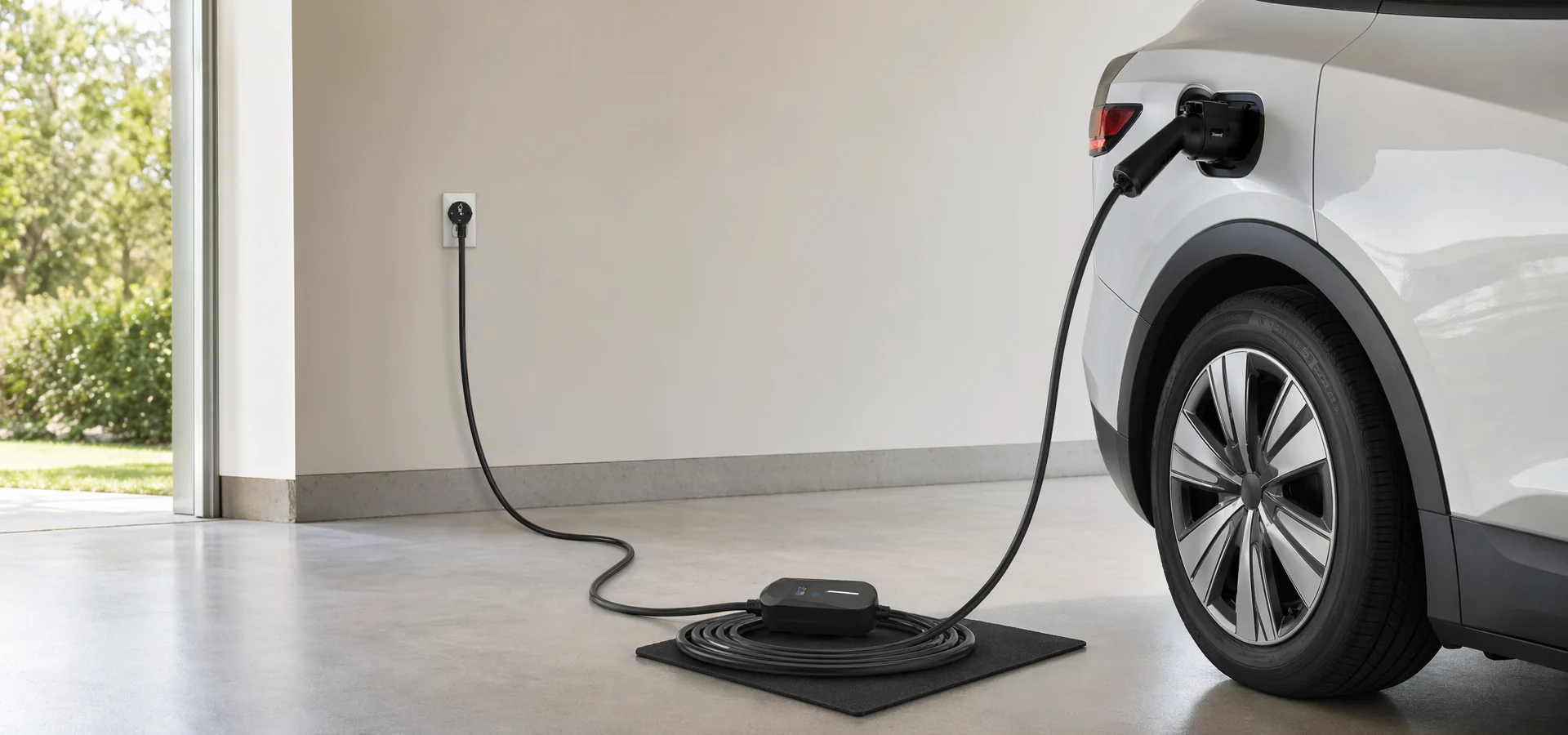
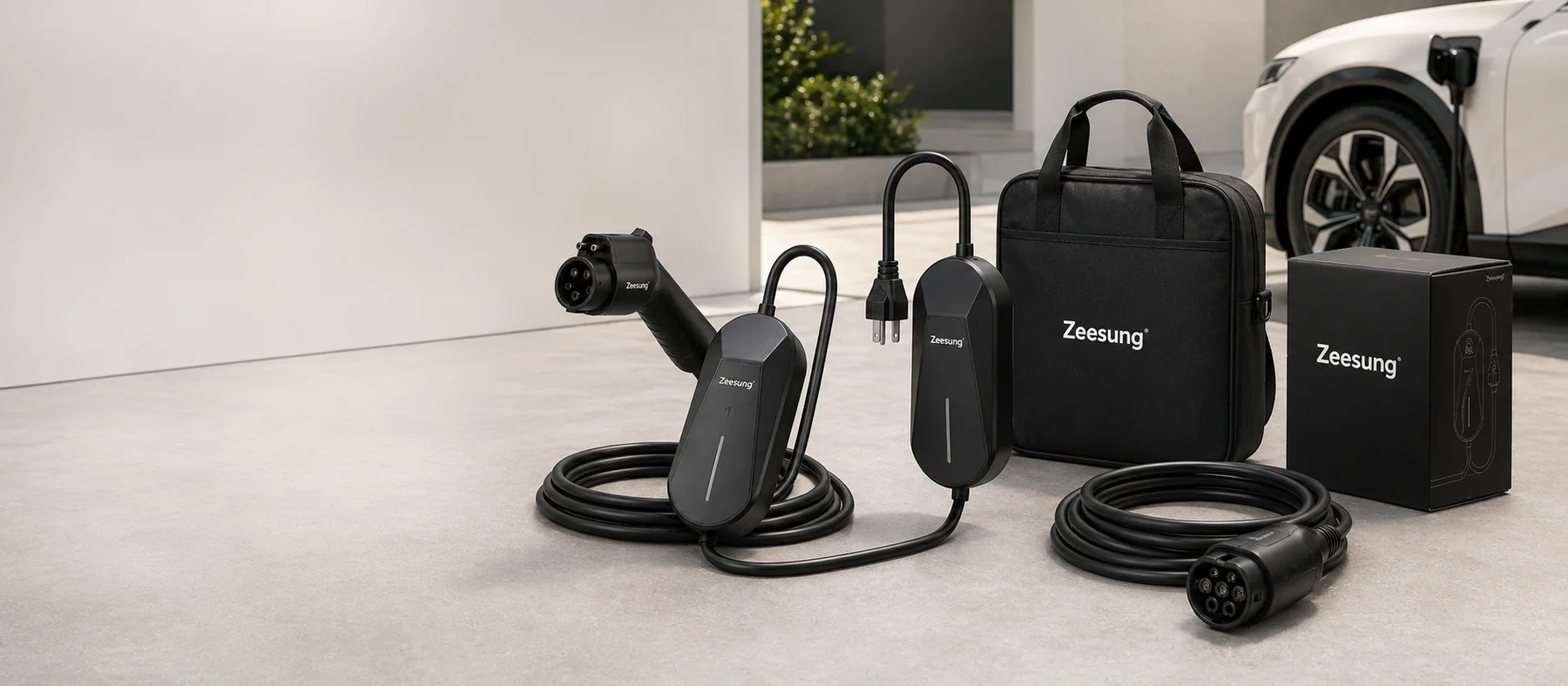
Retail next step
Move to a collection only after connector, plug and charging routine are clear.
Business next step
Use RFQ when the decision depends on samples, documents, packaging or quantity.
Charging guide topics
Support paths that help EV buyers choose the right product, document route or RFQ process.
Charging Basics
Level 1 vs Level 2, AC charging and everyday charging routines.
Plug Types
NEMA outlet checks, wall-side plug fit and circuit readiness.
Connector Guide
J1772, NACS, Type 2 and adapter direction by use case.
Portable Charging
Portable EVSE as movable equipment with real outlet checks.
Buyer Guide
How to choose by vehicle, outlet, cable length and documents.
Adapter Guide
When adapters help and when support reviews fit first.
Safety Guide
IP rating, cable routing, manual review and rated limits.
Business Sourcing
Documents, packaging, sample review and quote preparation.
Charging basics
Understand outlet, level, connector and cable route before choosing.
Learning content should support product selection directly, especially for portable EV chargers and North American home use.
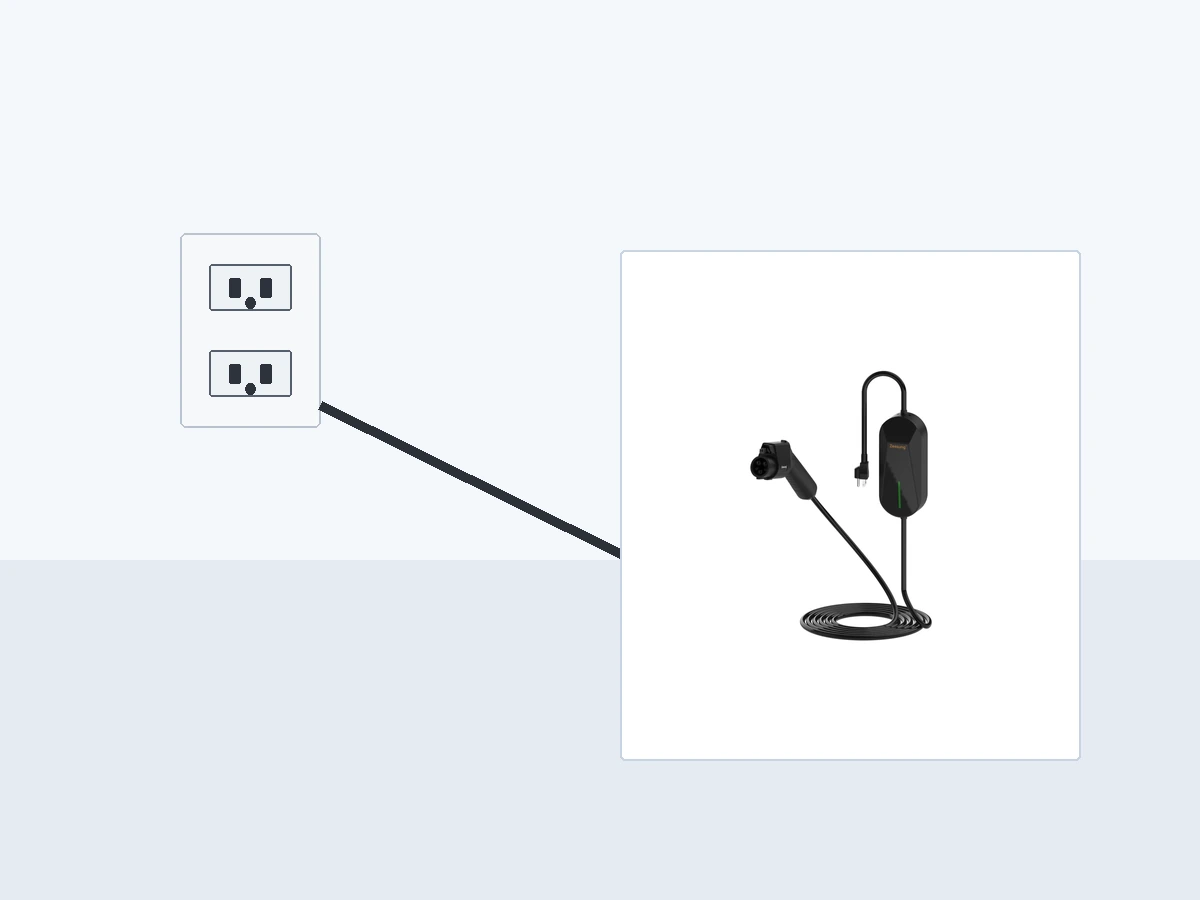
Outlet and cable reach matter for daily garage or driveway charging.
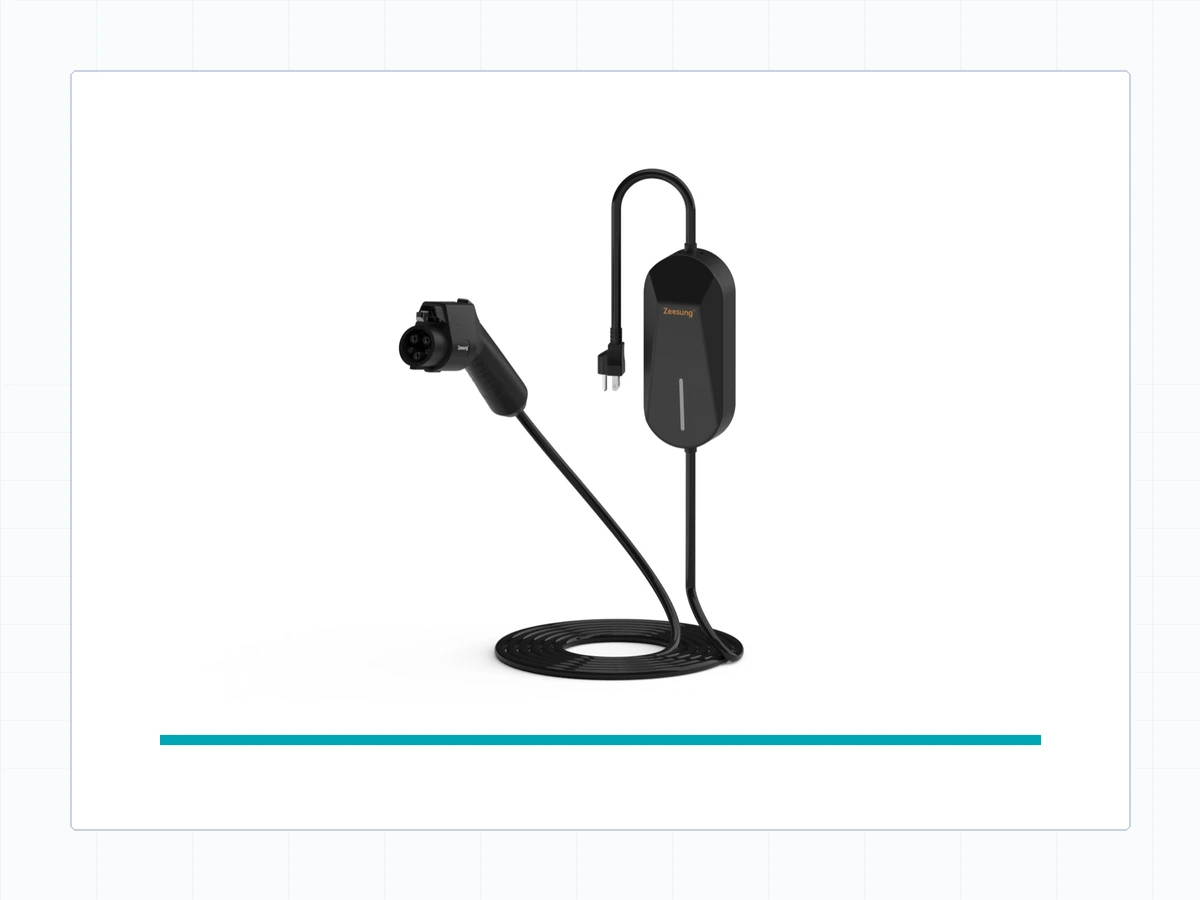
Review the complete charger kit before comparing options.
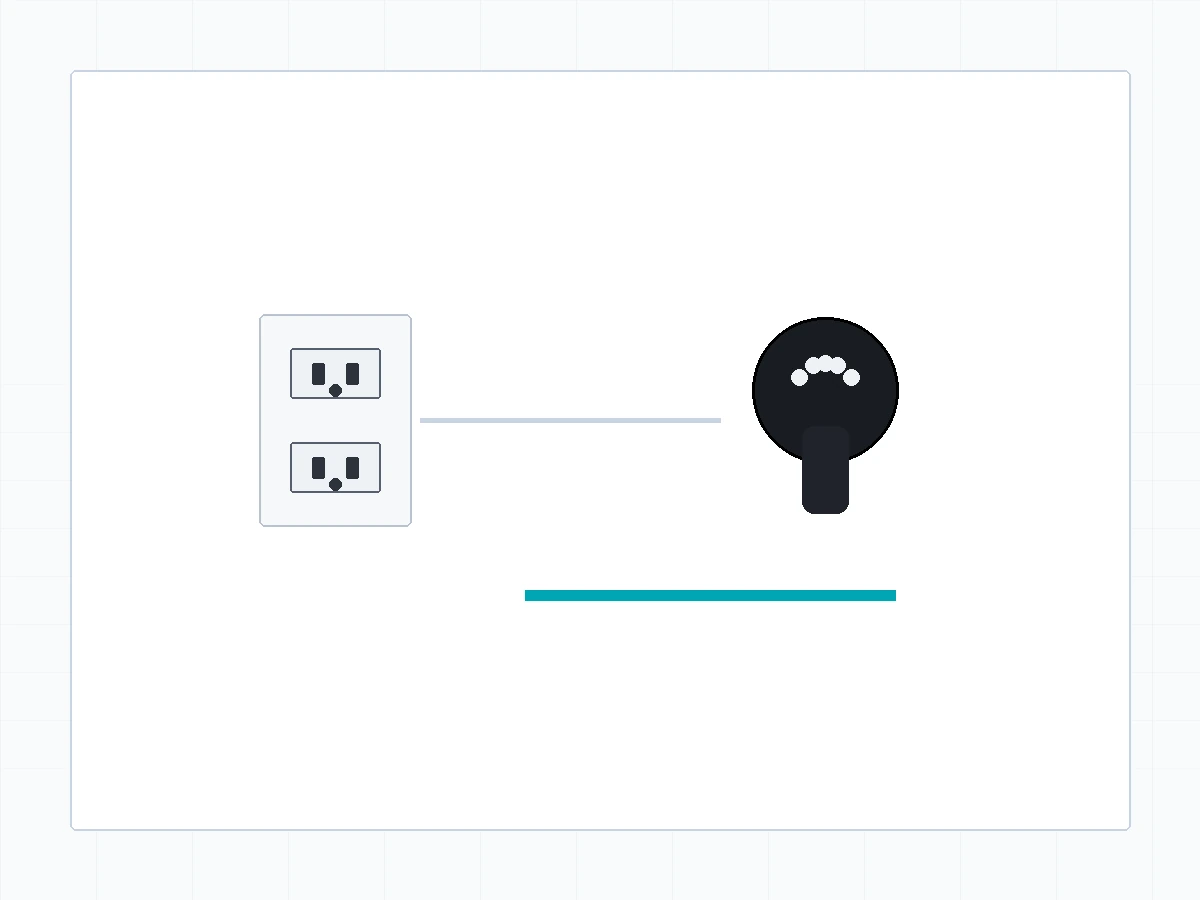
Vehicle side and wall side both affect fit.