How to Choose the Right Portable EV Charger for Home Use
A practical step-by-step guide for home, garage, driveway, and travel backup charging. Learn which outlet path fits your space, how much cable reach you need, and what to review before you choose.
Start with the outlet.
Your outlet path decides whether this is backup charging or a faster daily setup.
Match power to routine.
Short daily drives and weekend backup have different needs than long driveway sessions.
Measure the real route.
Measure around corners, garage doors, and the side of the vehicle, not just wall to port.
Review before you decide.
Use Check Fit when your outlet, adapter, or cable path is not clear.
1. Start with your home power.
A portable EV charger gives you flexibility because it can move between a garage, driveway, or travel setup. The right choice starts with the power you can safely access where you park.
120V household outlet
Best for backup use or slower overnight charging. It is useful when you do not have a 240V outlet near the vehicle.
- Easy place to start
- Good for occasional charging
- Speed depends on the outlet and vehicle
240V outlet path
Better for daily charging when a suitable outlet is already available or can be reviewed by an electrician.
- Faster charging path
- Common for garage setups
- Outlet type must be confirmed
2. Know your outlet options.
The wall-side outlet decides which charging path is realistic. If you are not sure what you have, take a photo and use Check Fit before setup review.
| Outlet path | What it means | Best for | What to confirm |
|---|---|---|---|
| 120V household outlet | Standard household outlet path | Backup charging, low-mileage use, travel fallback | Outlet condition and circuit load |
| 240V outlet | Faster Level 2 path when the outlet fits your setup | Home garage and driveway routines | NEMA type, plug match, circuit review |
| Need electrician review | Your current outlet or panel path needs a professional look | New outlet planning or unclear power access | Breaker, wiring, outlet location, local requirements |
| Not sure | You can still choose a path, but the details need review | First-time EV charging setup | Photos of outlet, panel, vehicle port, parking path |
3. Cable reach matters.
Do not measure a straight line from the wall. Measure the actual path the cable will travel: down the wall, across the floor, around the vehicle, and up to the charge port.
Measure with movement in mind.
- Add a small comfort margin for corners.
- Check where the vehicle charge port sits.
- Leave the cable where it will not cross a walkway.
- Choose extended reach when parking varies.
Standard reach
Works well when the vehicle parks close to the outlet and the charge port faces the right side of the space.
Extended reach
Gives more room for driveway parking, larger vehicles, and layouts where the outlet is not beside the charge port.
4. Power level: what you really need.
Charging speed depends on your outlet, electrical system, vehicle, and charger settings. A good setup is the one you can use consistently without guesswork.
Backup path
Use a 120V path when you need a simple fallback, travel backup, or occasional top-off.
Daily path
Use a 240V path when you charge at home often and the outlet route is clear.
Review path
Use setup review when outlet type, adapter needs, or cable routing should be checked first.
5. Use decision cards before you choose.
Most wrong purchases happen because one detail was skipped. These three checks keep the decision practical.
120V vs 240V
Choose 120V for backup. Choose 240V when you want faster home charging and the outlet path is confirmed.
- Outlet type
- Circuit condition
- Where you park
Standard vs extended reach
Choose standard reach for tight garage layouts. Choose extended reach when the driveway or port side changes.
- Distance to vehicle
- Obstacles and turns
- Garage or outdoor route
J1772 vs adapter
The featured setup is built around a J1772 connector path. Tesla drivers may need an adapter review before choosing.
- Vehicle charge port
- Adapter fit
- Setup review if unsure
Before you choose your charger.
Keep these details ready. They make setup review faster and reduce fit mistakes.
- Do you have a 120V or 240V outlet near where you park?
- Which side of the vehicle has the charge port?
- How far is the real cable route?
- Will the cable cross a door, walkway, or driveway path?
- Do you need a Tesla adapter review?
- Do you need manuals or specs before review?
6. Compatibility and setup essentials.
Before order review, confirm the vehicle connector, outlet path, cable reach, and where the charger will be used most often.
Vehicle connector
Confirm J1772 use, adapter needs, or whether you are not sure.
Outlet and circuit
Match the charger path to the outlet you can safely access.
Cable route
Measure the path from wall to port and choose by setup.
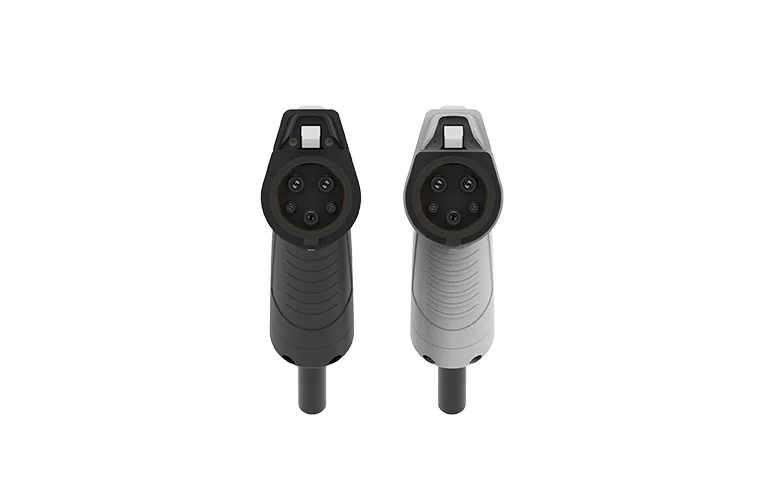
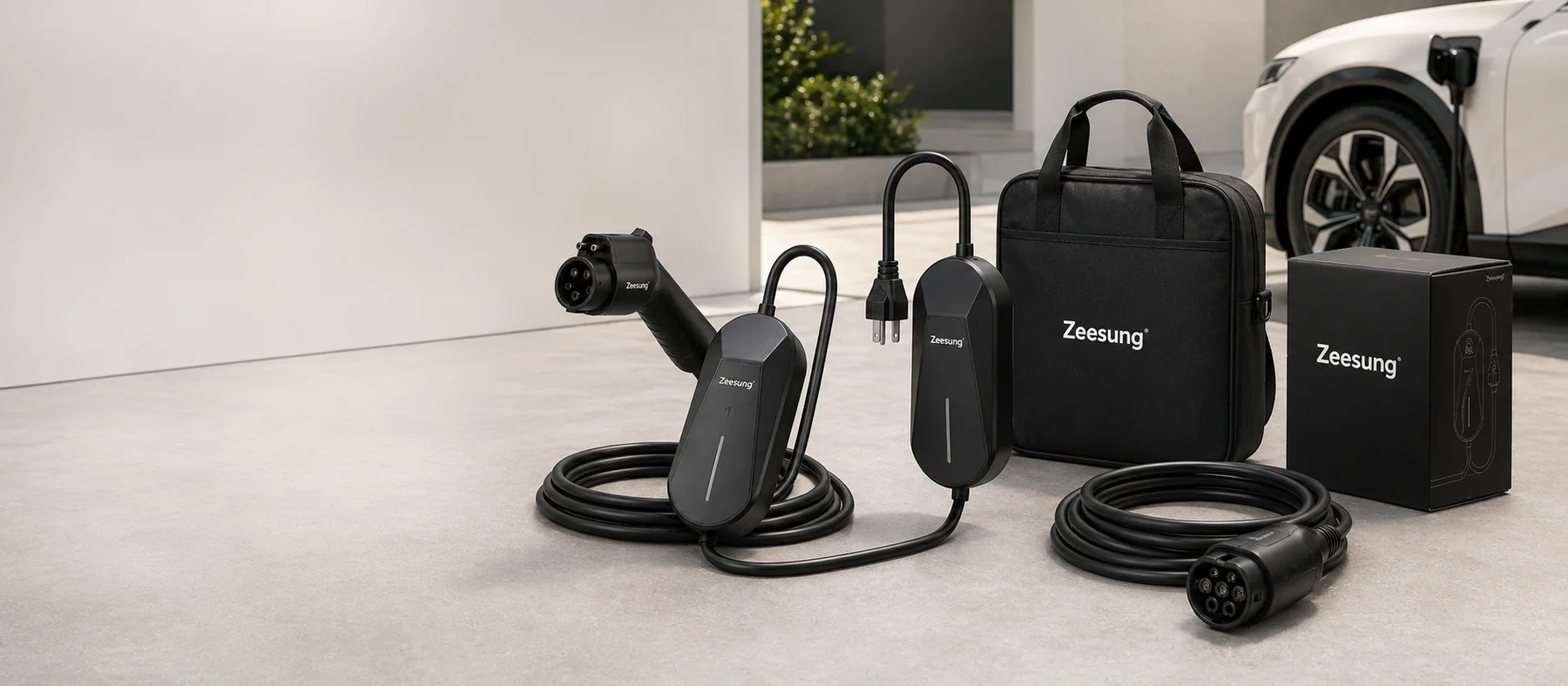
Level 2 Portable EV Charger – J1772
A portable charging setup for home garage, driveway, and travel backup use. Choose by outlet path and cable reach, then review details before final confirmation.